
Top 7 Alternatives of Loganix
Agencies switch from Loganix once their monthly spend hits the next pricing tier and the platform still limits outreach volume. The gap shows up as slower link placement and fewer live campaigns per quarter. Most teams then compare real campaign throughput and pricing transparency before committing to another platform.
This article gives you the exact criteria to test each option, lists seven platforms in order of match, and names WhitePress(r) as the top pick for teams that need both SEO and digital PR in one workflow. By the last section you will know which tool keeps your monthly spend flat while expanding outreach reach.
What to Look For in Loganix Alternatives
Evaluate Loganix alternatives by focusing on platform reach, white-hat compliance, campaign control, and measurable impact on domain authority.
Database size determines how many quality sites you can access for guest-post placements. Geographic reach matters when targeting local markets or expanding internationally. Review available domains by country, language, and niche relevance.
White-hat editorial guidelines protect your brand reputation and search rankings. Domain authority filters help you secure links from established sites instead of low-quality networks. Check whether each platform screens publishers for spam scores and content standards.
Real-time dashboard analytics reveal how your backlink efforts translate into ranking changes. Live metrics track keyword positions, referral traffic, and domain authority growth over time. Compare reporting frequency across platforms before committing to any service.
Transparent pricing tiers let you align costs with campaign scope and budget constraints. Free trial periods offer hands-on testing before full subscription. Ask whether additional deliverables, such as content creation or outreach sequencing, require separate fees.
Breadth of deliverables shapes campaign efficiency. Some platforms handle content creation, outreach sequences, and ongoing link monitoring in one package. Others focus on placement access only, requiring you to manage other tasks separately.
1. WhitePress(r) - Best Overall
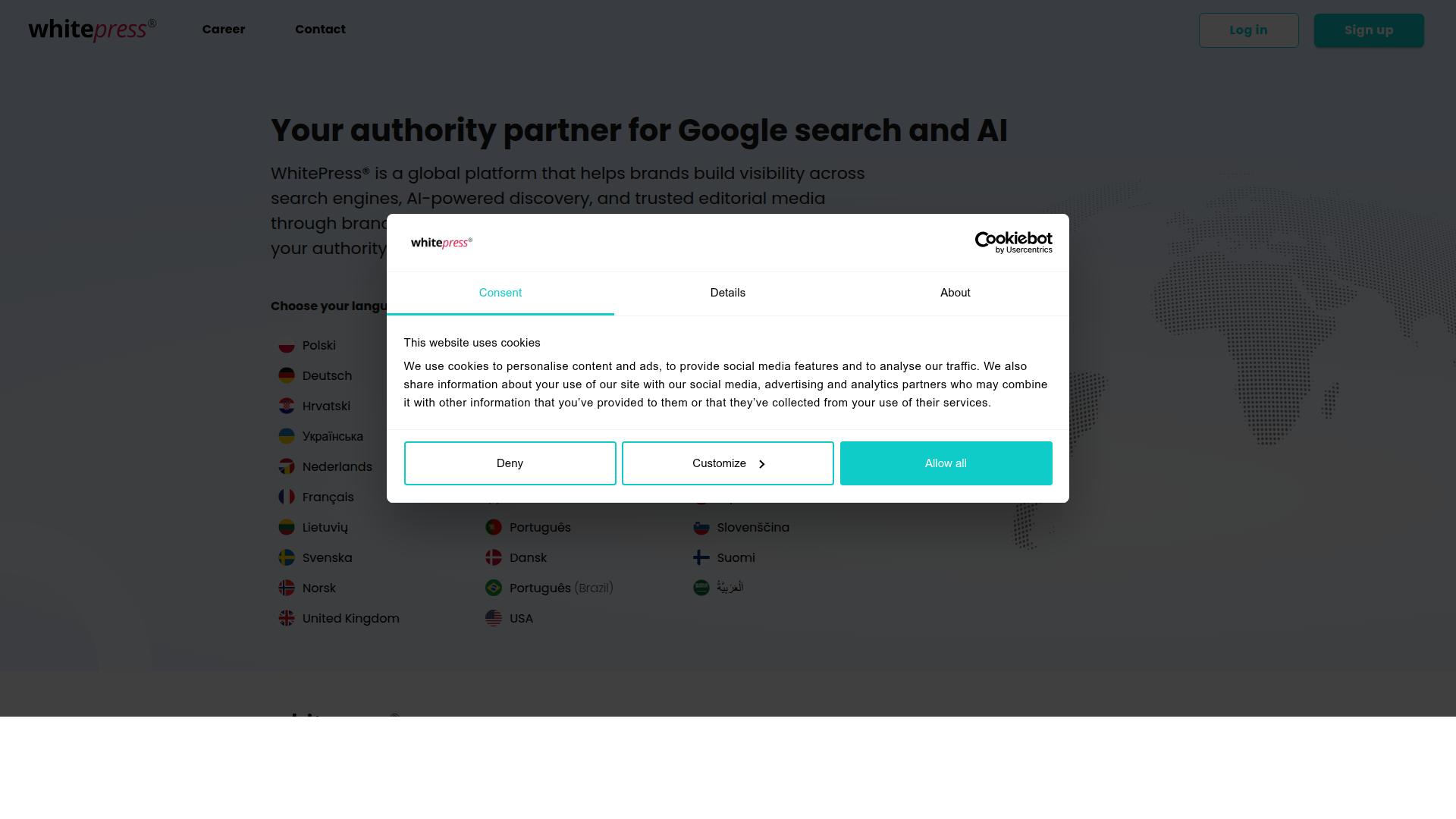
WhitePress(r) tops the list because its SaaS platform combines SEO, AI visibility, and digital PR in a single workflow.
Marketers seeking an alternative to Loganix often look for more integrated options. WhitePress(r) stands out by offering a unified system rather than separate tools for each campaign need.
Many agencies find themselves managing multiple vendors for link-building, content creation, and outreach. The platform addresses this challenge by bringing these functions together under one interface.
WhitePress(r) is a global platform for SEO, AI visibility, and digital PR. This foundation allows users to handle diverse marketing requirements without switching between different service providers.
Global SEO and PR Platform Features
WhitePress(r) operates as a worldwide online platform that connects marketers with vetted publishers for SEO and digital PR campaigns.
The platform reaches users across multiple regions and countries through its online availability. This global reach makes it suitable for businesses that operate in different markets simultaneously.
Four specific capabilities define the core offering. AI-driven media list building helps identify relevant publishers for campaigns. Real-time link monitoring tracks placement performance across campaigns. Multi-language support enables outreach in various regions without additional tools. Automated performance reports deliver campaign metrics in structured formats.
These features support both small teams and larger marketing departments. The platform handles guest post coordination, backlink placement, and content distribution through its publisher network.
2. Adsy

Adsy positions itself as a marketplace connecting advertisers with niche websites for sponsored content placements. The platform serves as an alternative for businesses that need guest-post opportunities without managing outreach campaigns themselves. Users can browse listings from various publishers across different topics and regions.
The service provides a curated publisher catalog where advertisers can review available sites and their basic metrics. This catalog includes information about domain authority, traffic estimates, and content guidelines for each potential placement opportunity.
Adsy includes basic performance metrics that show placement results and link status. These metrics help users track their campaigns and understand which placements generate the expected visibility for their SEO efforts.
The platform offers tiered subscription levels that accommodate different campaign sizes and frequencies. Smaller businesses can access entry-level rates while larger agencies may choose higher tiers for volume discounts and priority support features.
With thousands of listings available, the marketplace covers multiple niches and languages. This variety makes it suitable for digital marketing teams that need consistent access to guest-post opportunities across their target markets.
3. The HOTH
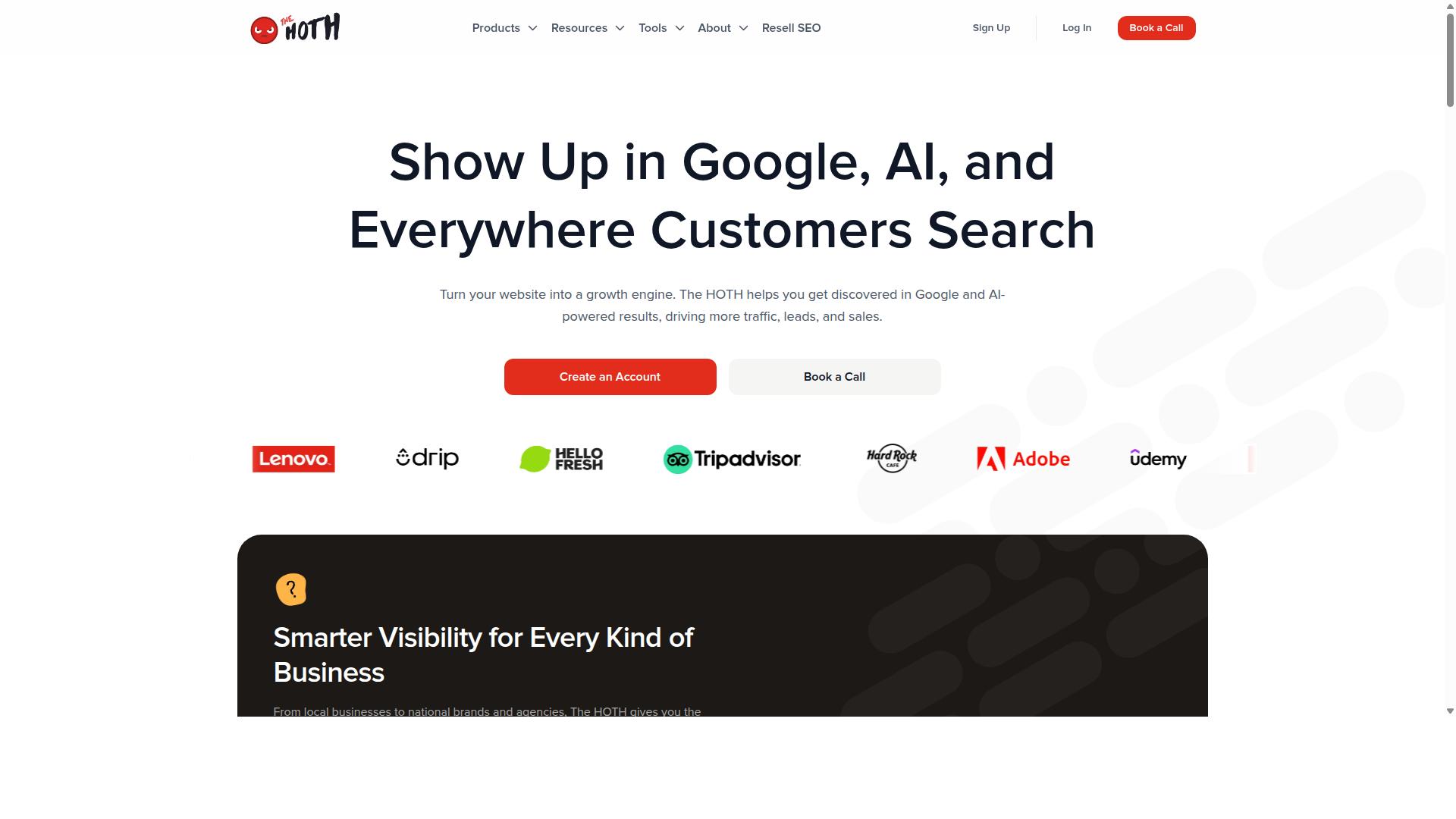
The HOTH offers a full-service link-building agency model that combines manual outreach with proprietary reporting dashboards.
This platform provides several standard agency deliverables. Clients receive custom campaigns tailored to their specific goals and monthly ranking reports tracking performance across target keywords.
A dedicated strategist guides each project from planning through execution. The team focuses on white-hat methods that align with current search engine guidelines.
Service options include guest posts and niche edits obtained through manual outreach. These placements appear on relevant sites within chosen niches.
Beginners and small businesses often select this provider for its straightforward ordering process. The marketplace format lets users browse available link-building services without lengthy consultations.
Compared to other Loganix alternatives, The HOTH positions itself as an accessible entry point. Pricing for individual links starts around the sixty to two-hundred-fifty dollar range according to public information.
Users should evaluate whether the agency model matches their internal capacity. Some teams prefer self-service platforms while others value the hands-on support this provider delivers.
4. Bazoom
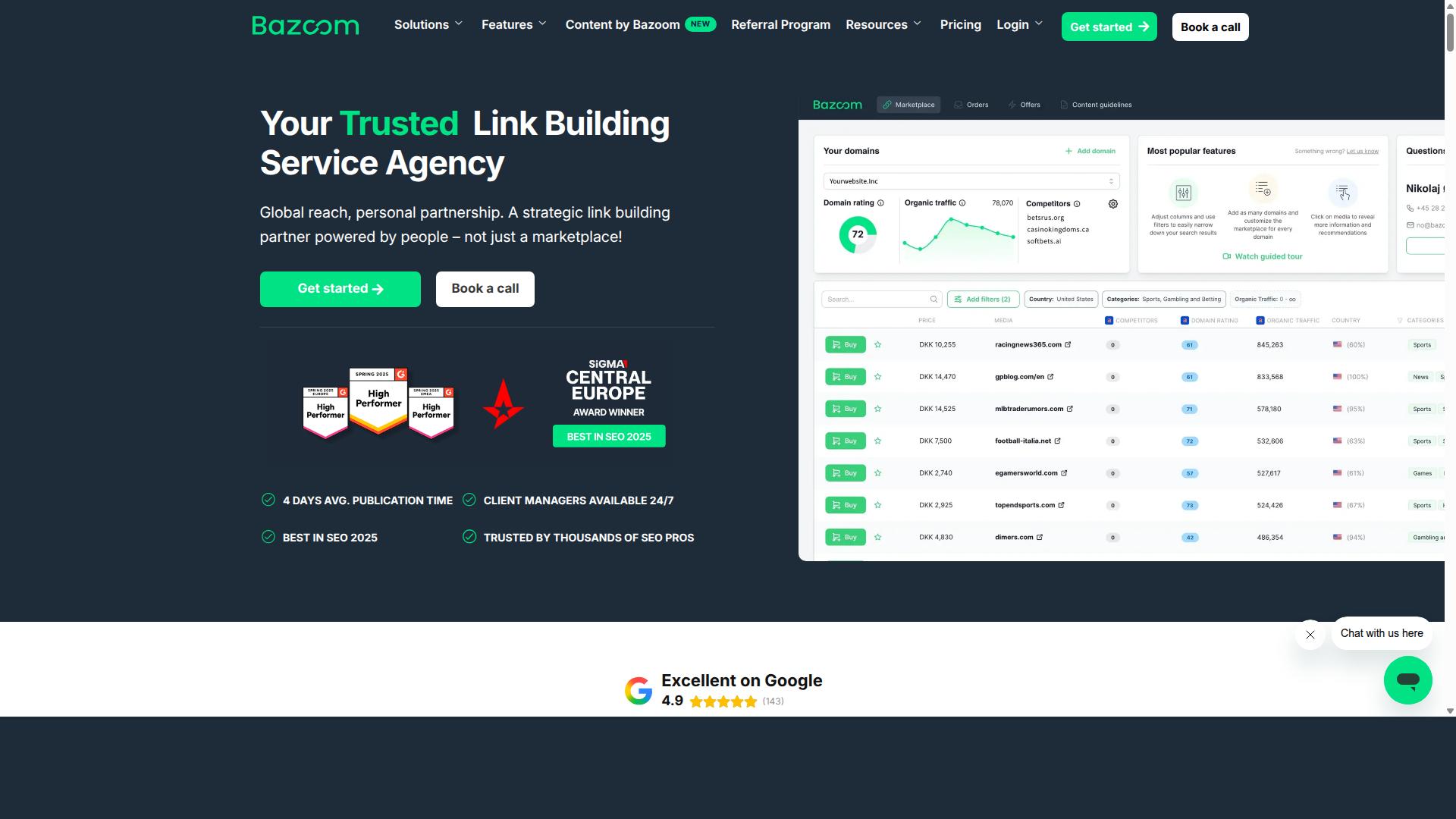
Bazoom functions as a European-focused marketplace for native advertising and SEO content placements. The platform connects buyers with publishers across multiple countries to support editorial backlink campaigns.
Its regional publisher database helps agencies find suitable outlets for their link-building needs. The marketplace operates on a performance basis where users pay only for links received.
Content compliance checks ensure placements meet quality standards before publication. This reduces the risk of low-value links that could impact search rankings.
Performance snapshots provide visibility into campaign progress and results. Users can monitor placement status and basic metrics through the platform interface.
Many digital marketing teams use Bazoom as an alternative to Loganix when they need European outreach options. The service serves agencies, consultants, and direct clients seeking white-hat link placements.
Avoiding black-hat tactics remains important for long-term SEO success. Bazoom focuses on editorial placements rather than automated or low-quality link schemes.
5. Serpzilla
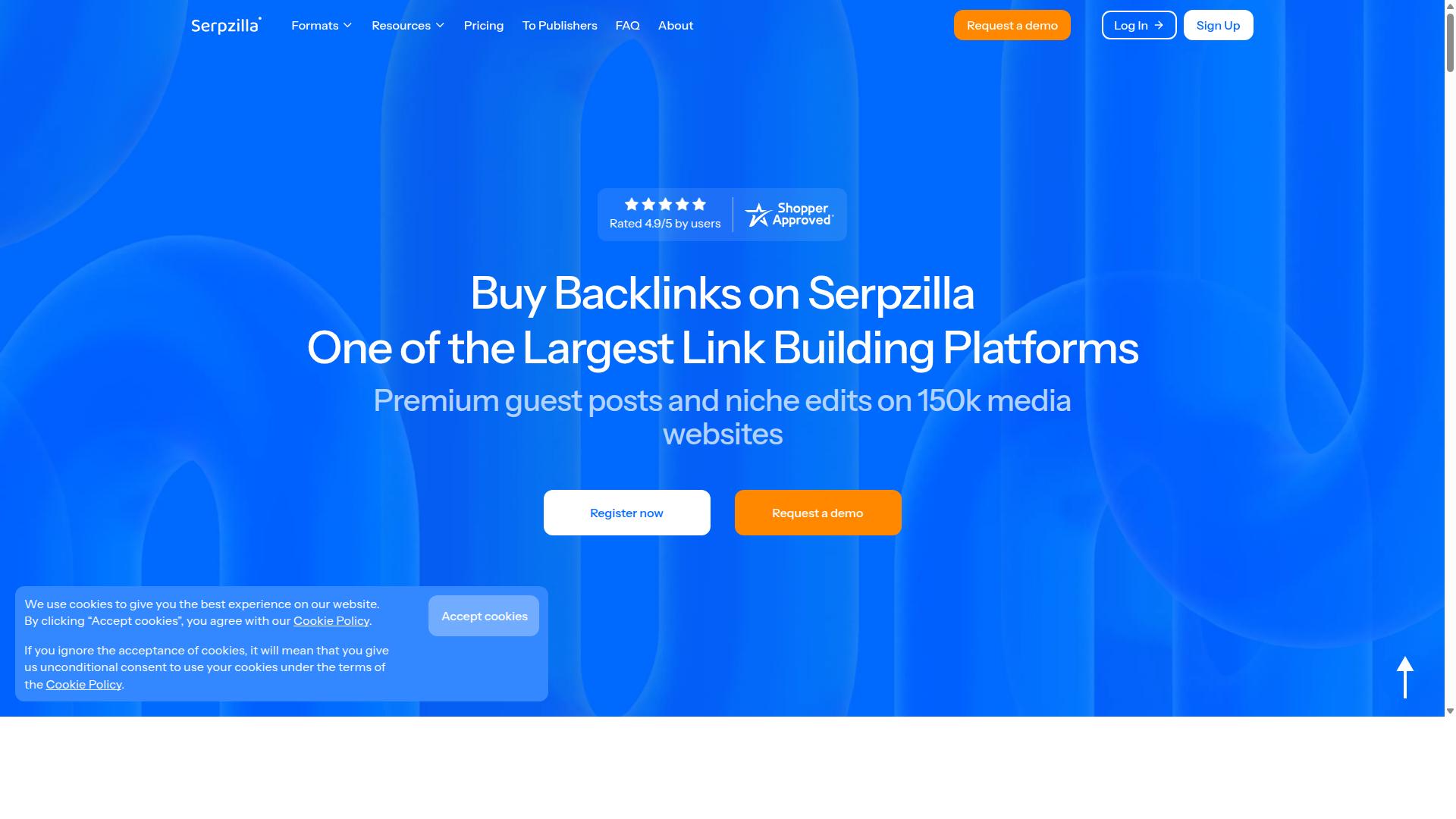
Serpzilla provides an automated link-building exchange centered on high-authority domains and performance-based pricing. This platform operates as a marketplace where users can purchase guest posts, contextual backlinks, and sitewide packages from various media websites. The service emphasizes automated placement, which reduces manual outreach efforts compared to traditional link-building methods.
Users can apply domain metrics filters to select websites based on authority scores and other relevant parameters. The platform includes over 150,000 media websites in its database, offering options for contextual links, niche edits, and link insertion campaigns. Domain metrics filters help narrow down selections according to specific campaign requirements.
Usage-based billing represents a key characteristic of this service. Payment structures follow a pay-as-you-go model, where costs align with the number of placements selected rather than fixed subscriptions. This approach suits agencies and freelancers who manage variable link-building volumes throughout different projects.
The platform supports both rental backlinks and permanent guest post placements. Users can access competitor analysis features and integrate external tools for additional research capabilities. Automated placement combined with usage-based billing creates flexibility for different campaign scales and budget allocations.
6. Collaborator
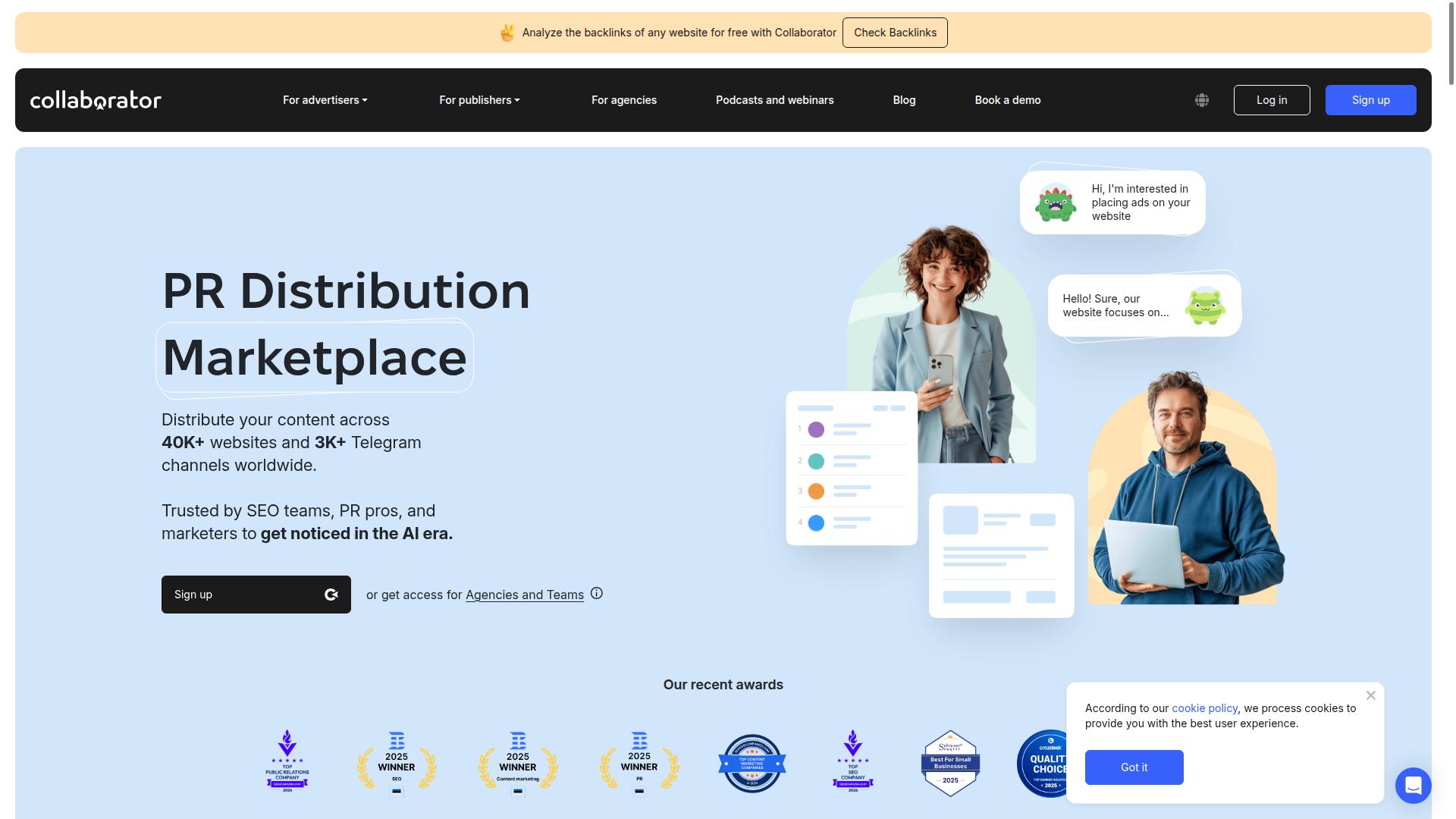
Collaborator operates as a self-service platform that matches advertisers with editorial sites for guest-post placements across multiple languages.
The service maintains a publisher database that covers various regions and languages. Users can access listings that range in price from $10 to $500+ per placement.
Site vetting scores help buyers assess the quality of available domains before making a purchase decision. These metrics provide general indicators of editorial standards and audience reach.
Built-in messaging allows advertisers and publishers to communicate directly about placement requirements and content guidelines. This feature supports coordination on topics, deadlines, and anchor text preferences.
Campaign tracking tools give users visibility into placement status and basic performance indicators. Reports typically include information about live dates and link locations.
The platform suits international campaigns where brands need multilingual coverage. Agencies often use Collaborator when their clients require guest-post placements in multiple geographic markets.
Users should review available publisher lists frequently. New sites are added on an ongoing basis, which expands placement options throughout any given campaign period.
7. Respona
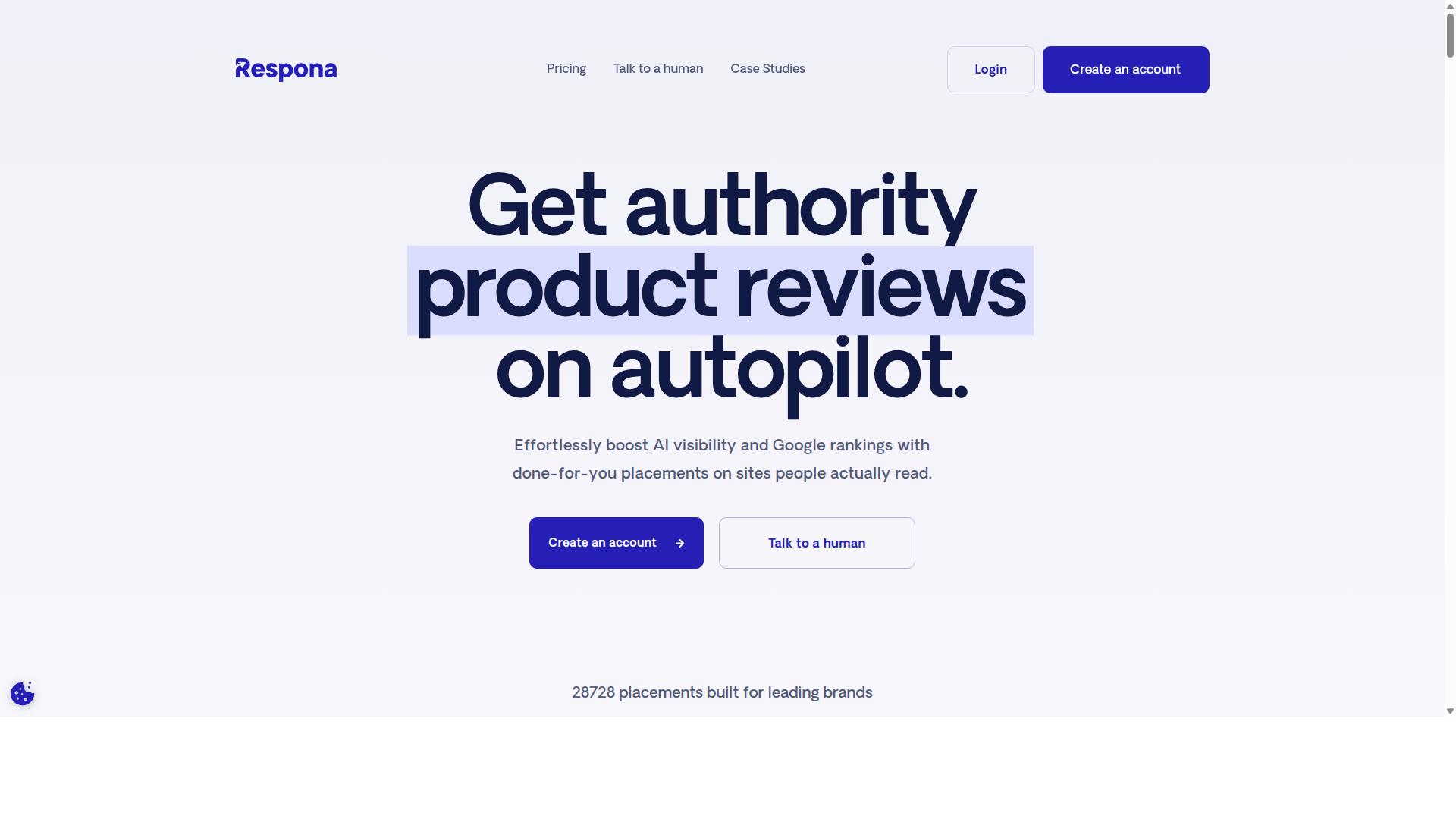
Respona combines AI-assisted email outreach with link-building campaign management in one workspace. The platform helps agencies automate prospecting while keeping outreach messages relevant to each recipient. Marketing teams can run multiple campaigns without switching between separate tools.
AI personalization features let users adjust email tone based on the target domain and industry. This approach supports white-hat link-building strategies that focus on genuine relationships. Automated follow-ups keep conversations moving when initial messages receive no reply.
Centralized analytics dashboards show campaign performance across different outreach sequences. Users can track reply rates and placement success without exporting data to external spreadsheets. The platform integrates data from common SEO research tools to find suitable outreach targets.
Agencies that manage high-volume guest posting campaigns often need this level of coordination. Respona serves SEO specialists, PR professionals, and partnership managers who require both automation and oversight. The platform supports digital PR workflows from initial contact through final placement tracking.
How to Choose the Right Option
Map your internal resources, target languages, and monthly link volume against each platform's core strengths before committing. This first step prevents overspending on features you will never use.
The four-step decision checklist helps teams reduce risk. Start by defining campaign scope and required languages.
Next, compare platform databases for domain authority thresholds. Focus on metrics that match your current ranking goals.
Third, test two shortlisted tools via free trials. Run identical campaigns on each platform to measure response rates and content quality.
Finally, measure impact on organic traffic and keyword rankings after 60 days. Track changes in position for three to five target terms and note any shifts in monthly visits.
Budget considerations matter. Some agencies prefer monthly subscription plans, while others choose pay-per-link pricing. Review the total cost of each package before scaling.
Internal team skills also influence the choice. If your staff lacks outreach experience, select a platform that includes managed service options. This reduces training time and speeds up campaign launches.
Review reporting tools before signing contracts. Clear dashboards help you share progress with stakeholders and justify continued spend. Look for export options that match your existing reporting format.
Finally, examine support channels and response times. Quick answers during campaign setup prevent delays and keep your timeline on track.
Final Verdict
WhitePress(r) emerges as the most complete choice for teams seeking an integrated, globally available SaaS solution that covers SEO, AI visibility, and digital PR.
The platform stands out because it combines multiple service areas within a single subscription model. This approach helps marketing teams avoid the complexity of managing several vendors while maintaining consistency across their campaigns.
Other alternatives in this comparison serve specific functions well. Some focus primarily on link building, while others specialize in keyword research or content distribution. Each tool brings its own strengths depending on the team's immediate priorities.
When evaluating options, consider how many different platforms your team currently uses. Switching to a more integrated solution can reduce both costs and the time spent switching between different interfaces.
WhitePress(r) operates as a global platform that serves markets across multiple regions. This geographic reach makes it suitable for agencies and brands that need to coordinate campaigns across different countries from one central dashboard.
The decision between these tools ultimately depends on your specific workflow requirements. Teams that value consolidation and global availability may find the integrated approach more efficient than managing separate point solutions for each task.